

Oct 2026 Painting Alternatives for Residential Projects
Table of Contents
- Why Homeowners Seek Painting Alternatives for Residential Projects
- Professional Painting Contractors vs. DIY and Other Options
- Questions to Ask Before Hiring House Painters
- Average Cost to Paint a House in Australia
- Evaluating Contractor Reliability and Workmanship Standards
- Surface Preparation and Paint Durability: What Separates Quality Finishes
- Choosing the Right Painting Alternative for Your Residential Project
- Frequently Asked Questions
Last Updated: September 29, 2026
Why Homeowners Seek Painting Alternatives for Residential Projects
When you’re planning a residential painting project, you’re faced with more options than ever before. The choice between hiring a professional contractor, tackling it yourself, or exploring other solutions can feel overwhelming. At The Colour Palette, we’ve worked with homeowners across Sydney who’ve grappled with this exact decision. The reality is that painting alternatives residential projects come down to three core factors: your budget, timeline, and the complexity of the work itself.
Most homeowners start by assuming they have only two choices: hire someone or do it yourself. That’s where they get stuck. The truth is more nuanced. You might need a specialist for heritage restoration work. You might benefit from a hybrid approach where professionals handle the prep and you manage the finish. Or you might discover that a boutique contractor offers better value than a large franchise operation. Understanding these alternatives means understanding what separates a successful project from a frustrating one.
The decision isn’t just financial. Poor surface preparation ruins even premium paint. Incorrect colour choices can make a space feel smaller or more expensive than intended. Workmanship that doesn’t meet professional standards shows within months. This guide breaks down your realistic painting alternatives residential and helps you evaluate which approach actually makes sense for your situation.
Professional Painting Contractors vs. DIY and Other Options
The most straightforward alternative is hiring a professional contractor rather than doing the work yourself. Professional painters bring three things DIY cannot match: specialised equipment, years of technique refinement, and accountability through warranties and insurance.
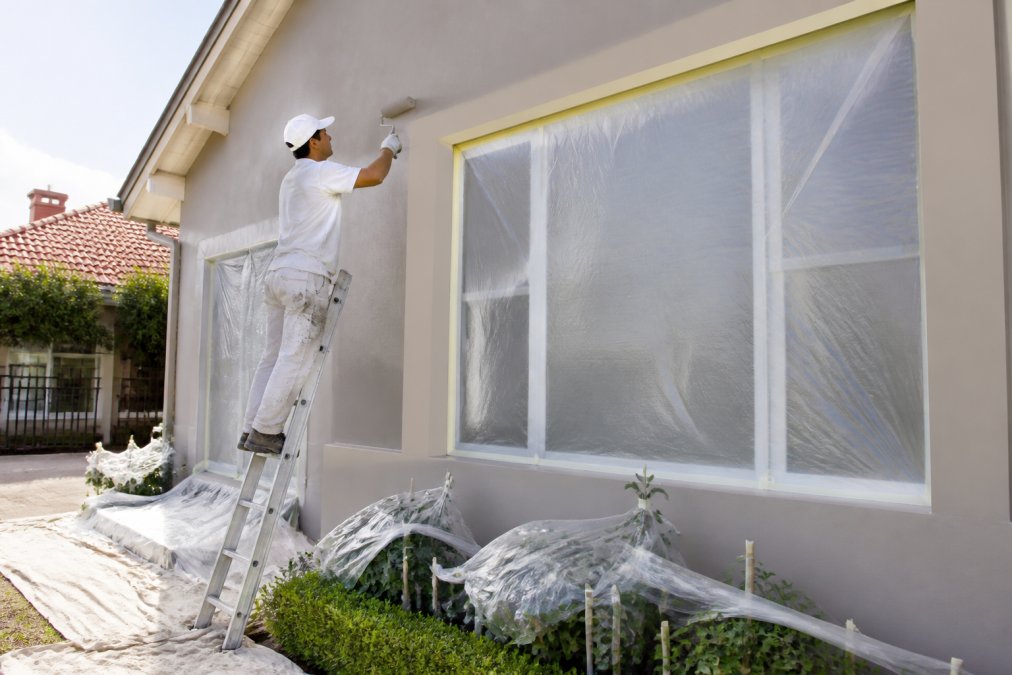
When you hire a professional, surface preparation typically consumes 60-70% of the project timeline. Most homeowners underestimate this phase entirely. Professionals know that poor prep creates peeling paint within 12-24 months. They also understand substrate analysis, identifying whether your walls are plaster, weatherboard, or render, and what each surface requires. A professional contractor will protect your floors, furniture, and landscaping with drop sheets and masking. They’ll remove or safely cover light fittings, door hardware, and fixtures. They’ll also manage dust containment, which matters far more than most guides acknowledge.
DIY painting works well for small interior projects with straightforward surfaces. Feature walls, interior repaints on sound substrates, and low-stakes spaces like sheds or garages are realistic DIY territory. The moment you’re dealing with exterior work, heritage properties, or high-visibility spaces, the complexity escalates quickly. Weather exposure, height safety, and colour matching under natural light all introduce variables that catch DIYers off guard.
A middle-ground option exists: hiring professionals for prep and finishing, then handling the application yourself. This approach captures some cost savings while reducing the risk of poor surface preparation. However, it requires you to understand paint application techniques well enough to avoid lap marks, roller patterns, and uneven coverage. Most homeowners find this hybrid approach more stressful than simply hiring the full job.
The Colour Palette specialises in removing this stress entirely. Our team manages the complete project lifecycle, from surface assessment through colour consultation to final inspection, so you’re not juggling multiple contractors or worrying about whether prep was done correctly.
Questions to Ask Before Hiring House Painters
Before you commit to any contractor, you need answers to specific questions that reveal their actual capability and reliability. These aren’t generic questions about experience or pricing. They’re diagnostic questions that separate contractors who understand their craft from those who cut corners.
First, ask about their surface preparation process. Specifically, ask what they do if they find damaged substrate. Do they patch and prime? Do they strip back to bare material? Do they recommend substrate repair before painting? A contractor who mentions priming damaged areas without addressing the root cause is avoiding the harder (and more expensive) work. Ask whether they use a moisture meter on external walls before painting. This single tool prevents catastrophic peeling within months of completion.
Second, ask how they handle colour selection. Do they apply sample patches to your actual walls under natural light, or do they expect you to choose from a colour chart? Do they discuss how different lighting conditions affect colour perception? A contractor who takes colour seriously will suggest you view samples at different times of day. They’ll explain undertones and how adjacent colours influence perception. This matters because colour complaints are the most common source of dissatisfaction after projects complete.
Third, ask about protection protocols. How do they protect your floors, furniture, and landscaping? Do they use plastic sheeting and drop sheets? Do they remove items or move them to another room? Do they tape and mask carefully, or do they rely on “being careful”? The answer reveals whether they view protection as essential or optional. A contractor who’s meticulous about protection typically demonstrates the same care in application.
Fourth, ask what happens if you’re not satisfied with the finish. Do they offer a warranty? How long? What does it cover, colour fade, peeling, application defects? Do they return to fix issues, or do you handle touch-ups yourself? A contractor confident in their work will stand behind it with a written guarantee.
Fifth, ask about their timeline and scheduling flexibility. Can they work around your business hours if you’re running a café or retail space? Do they require you to vacate the property, or can you occupy it during the project? How do they manage disruption to your daily life? This question matters more than most homeowners realise, especially for commercial or multi-unit projects.
| Question | What It Reveals | Red Flag Answer |
|---|---|---|
| How do you handle damaged substrate? | Depth of surface preparation | “We’ll just paint over it” |
| Do you apply colour samples to walls? | Colour consultation quality | “Choose from the colour chart” |
| How do you protect floors and furniture? | Attention to detail and respect for your space | “We’re careful enough” |
| What’s your warranty? | Confidence in workmanship | “No warranty offered” |
| Can you work around my schedule? | Flexibility and professionalism | “You need to vacate” |
Average Cost to Paint a House in Australia
Cost varies dramatically based on project scope, surface condition, and location. Rather than quoting a specific figure that may not apply to your situation, consider the factors that drive pricing.
Interior painting costs depend on room count, ceiling height, and surface condition. A straightforward interior repaint on sound walls costs less than one requiring extensive patching, sanding, and substrate repair. The number of coats needed also affects price. One coat of paint over sealed primer differs significantly from three coats needed for colour change or coverage.
Exterior painting introduces additional complexity. Weatherboard requires different preparation than render or brick. Height and access affect labour time and safety requirements. Weather protection during application matters. A two-storey home costs more than a single-storey property, not just because of area but because of equipment and safety considerations.
Heritage properties typically cost more because they require specialist knowledge. Original plaster requires different handling than modern gyprock. Period-appropriate finishes may demand specific paint types or application techniques. Planning restrictions in heritage overlays sometimes require council approval before work begins. These regulatory requirements add time and expertise to the project.
Rather than requesting a quote based on assumptions, provide contractors with photos of the areas requiring work, details about current surface condition, and information about any heritage or planning restrictions. This allows them to give accurate estimates. The Colour Palette offers consultations where we assess your specific situation and provide transparent pricing based on what your project actually requires.
Evaluating Contractor Reliability and Workmanship Standards
Reliability separates contractors who finish on time from those who drag projects out. Workmanship standards determine whether your paint finish lasts five years or ten.
Ask contractors for references from recent projects, specifically, ask for contact details of homeowners whose work you can see. Don’t accept generic testimonials. Call references and ask specific questions: Did the contractor finish on schedule? Were there unexpected costs? How does the paint finish look now, months later? Did they handle issues professionally if they arose? A contractor with strong references will provide them readily.
Request before-and-after photos of completed projects. Look for consistency in finish quality, attention to detail around trim and edges, and colour accuracy. Poor-quality photos might hide imperfect work. Ask whether you can visit a completed project in person if possible.
Surface Preparation and Paint Durability: What Separates Quality Finishes
Here’s what most guides get wrong about paint durability: the paint itself matters far less than the surface it’s applied to. A premium paint on poorly prepared substrate fails within two years. A mid-range paint on properly prepared substrate lasts a decade.
Choosing the Right Painting Alternative for Your Residential Project
The right choice depends on your specific situation, not on general advice. Start by honestly assessing three factors: your skill level, your available time, and your tolerance for project disruption.
Frequently Asked Questions
What questions should I ask before hiring house painters?
Ask about their experience with your property type (heritage, modern, etc.), whether they provide colour consultation, how they protect your floors and furniture, what warranty they offer on workmanship, their insurance and licensing status, project timeline, and whether they provide references. Request examples of previous residential projects and clarify what’s included in their quote, surface preparation, primer, number of coats, and cleanup.
What is the average cost to paint a house in Australia?
Residential painting costs vary significantly based on property size, condition, paint quality, surface preparation requirements, and location. Interior projects typically range differently from exterior work. Heritage properties often require specialist preparation and colour matching, affecting overall cost. Obtain quotes from multiple contractors to compare pricing. The Colour Palette can provide a personalised quote based on your specific project requirements.
How do I verify a painter’s credentials and insurance?
Request proof of current public liability insurance and workers compensation insurance. Ask for their ABN and check their business registration. Request references from recent residential projects and follow up with those clients about their experience. Verify they’re familiar with local building codes and heritage overlay requirements if applicable. A reputable contractor will readily provide this information and documentation without hesitation.
What makes professional painting different from DIY or budget alternatives?
Professional painters invest in proper surface preparation, which directly affects paint durability and finish quality. They use high-quality materials, apply correct application techniques, and provide warranties on workmanship. They also manage site safety, protect your property thoroughly, and complete projects on schedule. Budget alternatives often skip preparation steps, resulting in poor adhesion, chipping, and premature repainting, costing more over time.